

My writing


Architecture | Green Design | Energy Efficiency 

In addition to my content strategy practice, I work as a freelance journalist covering green building trends, regenerative design, and energy policy for a variety of media outlets, including Green Building Advisor, Fine Homebuilding, Metropolis, Architectural Record, ENTER magazine (AIA Minnesota), and others publications. 
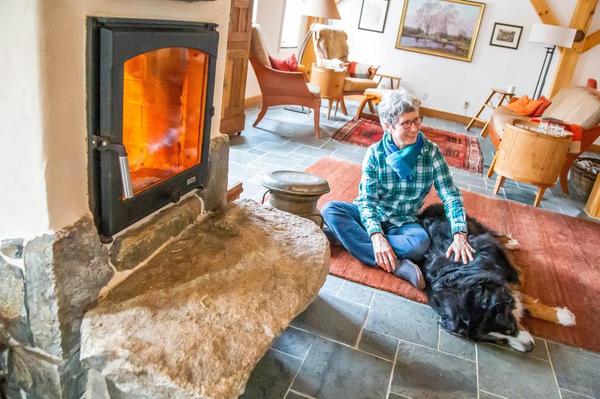
Masonry heaters gain traction for their efficiency and durability

Ottavio Lattanzi built himself a saltbox house in the Midcoast town of Bowdoinham nearly half a century ago. The 1,500-square-foot home, which he describes as “pretty well insulated but not airtight,” is heated using a small masonry stove he affectionately calls his “Russian fireplace,” with a fire box measuring just 1 foot by 1 foot and 2 feet deep. That’s enough space to accommodate handfuls of kindling and the occasional small log. The firebrick-lined stove, which was custom-built by a friend...

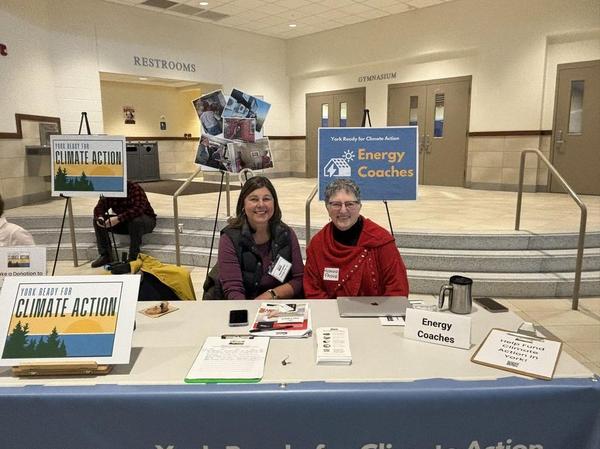
York's Energy Coach Program: Guiding homeowners to be better (energy) consumers

When the town of York released its climate action plan (CAP) in 2022, it joined a growing group of Maine cities to complete this feat. Portland and South Portland were the first, releasing a joint municipal CAP two years prior. The crux of York’s plan is to address the holistic impacts of sea level rise and warming temperatures, while increasing the resiliency of its coastline, forest ecology and town infrastructure. Tall orders, indeed.Partially in line with Maine Climate Council’s “Maine Won’t...

Tracing Mass Timber’s Full Life Cycle

Biogenic carbon is released through the decomposition or combustion of biomass. When excess tree parts like branches, bark, and stumps (collectively known as slash) are invariably left to rot after a harvest, they gradually emit much of the CO2 that the tree sequestered over its life. Harvests also reduce forests’ capacity to act as carbon sinks, meaning there are fewer trees to absorb what’s being released into the atmosphere and therefore further challenge the notion that producing mass timber...

The new materials toolkit simplifying architects’ sustainability decisions

The Common Materials Framework (CMF) is less than five years old, but it has already transformed how people build things. And now, a new toolkit promises to transform how people use the CMF.Since the CMF’s introduction in 2021, parties across the building industry have gradually adjusted to a modus operandi that prioritizes transparency and health over strictly aesthetic choices. Those parties include architects, engineers, owners, contractors, manufacturers, tech professionals, and organization...

Designing a restorative housing community

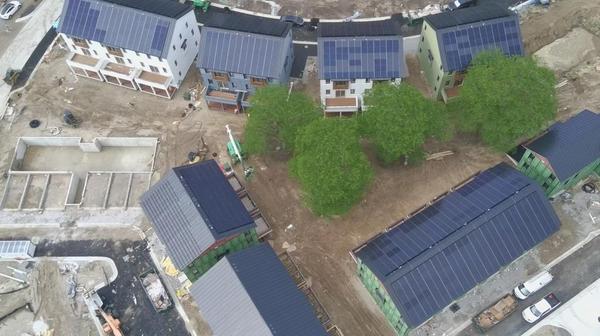
What if a residential community could function as a forest, meaning every system that provides energy, shelter, food, and other resources continually restores the larger ecosystem? This is a tall order given the average family’s immense appetites, all of which can aggravate nutrient runoff, reduce water quality, and strain the electric grid. With the right planning and combination of tools, however, it is possible to design truly restorative communities.Veridian at County Farm, a new community o...

What's In Our Water?

Whether your home is connected to a private well or a municipal water system, understanding what contaminants might be coming out of the tap can have important health impacts.Upwards of half of all Maine homes use groundwater wells, according to the state’s Department of Health and Human Services. The percentages tick up significantly in rural counties such as Hancock, Washington and Penobscot, where a majority of homes rely on private wells. This raises important questions about water quality,...

A restorative future for Cold Spring Harbor Laboratory

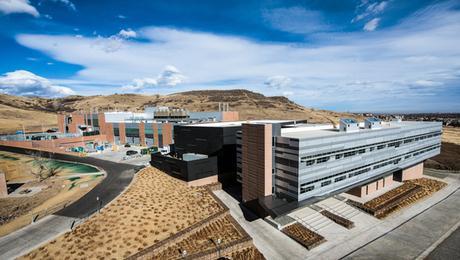
Restoration and resilienceOperations at CSHL date back to 1890. A year prior, whaling scion John D. Jones donated eight acres of land, once occupied by his family’s Cold Spring Harbor Whaling Company, to the Brooklyn Institute of Arts and Sciences. That organization later founded CSHL’s forerunner, the Biological Laboratory. Still standing today, next to the water of the inner harbor, is the modest but stately Jones Laboratory, the oldest operating science lab in the U.S. The timber-frame buildi...

America's Power Crunch Gets Worse As $5 Billion Transmission Project Loses Federal Backing

We won't charge you anything to get quotes through our marketplace. Instead, installers and other service providers pay us a small fee to participate after we vet them for reliability and suitability. To learn more, read about how we make money, our Dispute Resolution Service, and our Editorial Guidelines.Built our own database and rating system for solar equipment, including solar panels, inverters, and batteries.Sourced the majority of our data from hundreds of thousands of quotes through our...
Load More Articles

Contact me to inquire about other writing samples, including ghostwritten articles, website copy, and special projects.

Select Clips

Art Criticism | Art History

“Remember That You Will Die: Death Across Cultures” at the Rubin Museum of Art

Memento Mori is the Latin-Christian maxim translated as “Remember that you will die.” It is altogether sobering and, in some perverted sense, comforting; it’s an epitaph for the masses—commoners and kings alike. It is also the subject of the ’s latest offering, of the same name, and although said offering is a modest one, this exhibition is, quite literally, breath-taking.
Load More Articles